What is an Islamic economy? Earning, giving and responsibility
How an Islamic economy links the way we earn a living with our responsibilities to others and our community.
3 min read
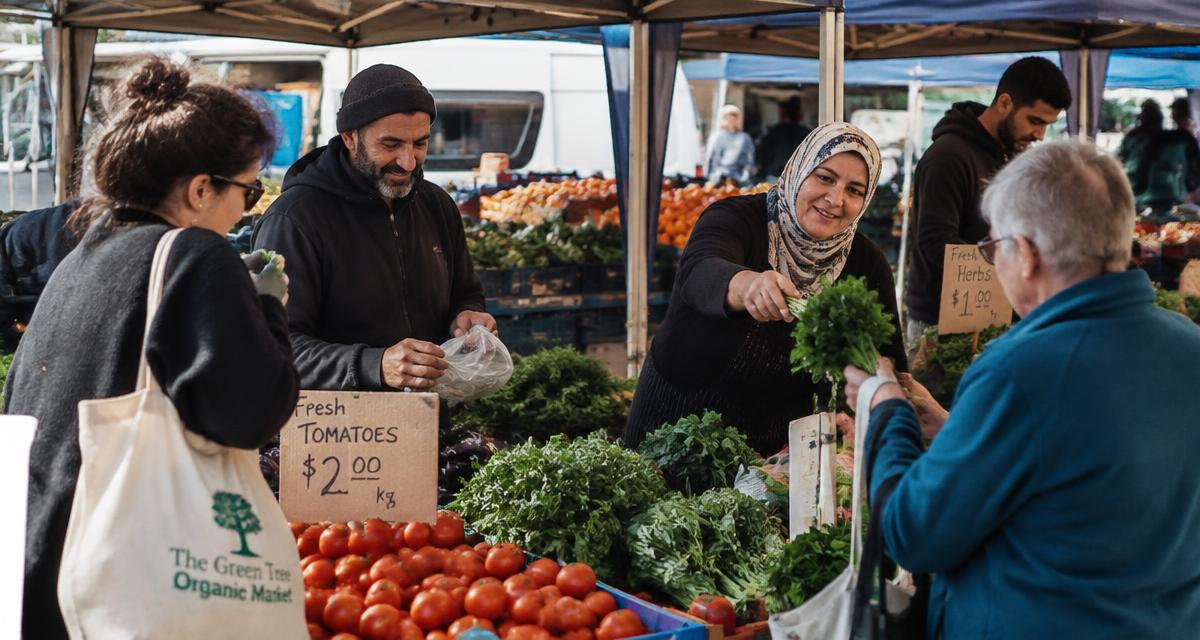
An Islamic economy connects the way we earn a living with our responsibilities to others.
It applies Islamic principles to how wealth is earned, used and shared. This includes business, employment, finance, protection and charitable institutions. Its aims include lawful enterprise, fair treatment and support for people in need.
For individuals and families, those principles can guide everyday decisions about where we work, how we spend and what we support.
Trade and Profit Have a Place
Islam permits trade and profit. Qur’an 2:275 distinguishes lawful trade from prohibited riba, while Qur’an 4:29 emphasises trade by mutual consent and forbids taking wealth unjustly.
People can build businesses, create jobs and earn a return by providing lawful goods and services. Fair dealing means being honest with customers, keeping agreements and respecting the rights of employees and suppliers.
The way wealth is earned matters alongside what is done with it.
Finance Supports Useful Activity
Islamic finance avoids riba, including interest on loans, and excessive uncertainty in commercial contracts, known as gharar. Gambling, or maysir, is also prohibited.
Finance can be arranged through sales, leasing or investment partnerships. For example, a provider may buy equipment and sell it to a business at an agreed, disclosed markup, with payment by instalments. Alternatively, it may lease an asset to a customer in return for rent.
Investment partnerships can provide capital for a business, with profits shared and losses treated according to the relevant Shariah rules. Each arrangement has specific requirements about ownership, payment and risk.
Shariah compliance depends on the underlying transaction and how it is carried out.
Wealth Also Carries Responsibilities
An Islamic economy includes ways to help people meet immediate needs and build resources for the future.
Zakat is obligatory giving when its conditions are met, distributed to eligible recipients.
Sadaqah is voluntary charity that can respond to hardship and support beneficial causes.
Waqf dedicates assets to lasting benefit. For example, rental income from an endowed property can help fund education or community services while the property remains dedicated to its purpose.
These arrangements have different rules, but together they provide ways for wealth to serve people beyond the person who earned it.
A Simple Example
Imagine a bakery that obtains an oven through a suitable Shariah-compliant financing arrangement.
The bakery sells its products honestly, pays its staff and suppliers as agreed, and uses its earnings to cover costs and develop the business. Its owner calculates zakat on eligible wealth when due and may also choose to give sadaqah or contribute to a waqf.
Customers receive useful goods, workers earn a living and suppliers receive income. Charitable giving can then support people and services beyond the business.
This example shows how enterprise, finance and social responsibility can work together.
Where Takaful and Najmaa Fit
Takaful is an approach to protection based on mutual support and shared responsibility.
Najmaa applies these principles through a discretionary mutual. Our role is to make this approach to protection available in everyday life, alongside the wider institutions an Islamic economy needs.
Requests for assistance are assessed under the arrangement’s terms. Payments remain discretionary.
Frequently Asked Questions
Can people of other faiths use Islamic financial services?
Yes. Islamic financial services can be used by people of any faith, subject to the provider’s eligibility requirements and product terms.
Does Shariah compliance remove financial risk?
No. Businesses and investments can still experience losses. Customers should understand the costs, obligations and risks of any arrangement and consider whether it meets their needs.
How can I take part?
Start with informed choices: earn honestly, understand your agreements, meet your zakat obligations where applicable and consider how your spending and voluntary giving can support useful services.
Putting Principles Into Practice
An Islamic economy grows through the conduct of people, businesses and institutions. Each has a responsibility to put these principles into practice.
Explore Najmaa Vehicle Protection and our key documents to understand our part in that wider picture.
Our values can shape what our money makes possible.
Takaful. Protection with Purpose.
Important Information
Protection is arranged by Najmaa Group Pty Ltd (AFSL 527623) and issued by Najmaa Mutual Limited. Protection is not insurance and is provided at the discretion of Najmaa Mutual Limited. Any advice is general advice only and does not take into account your objectives, financial situation or needs. Please read the relevant Product Disclosure Statement, Financial Services Guide and Target Market Determination and consider whether the product is appropriate for you.